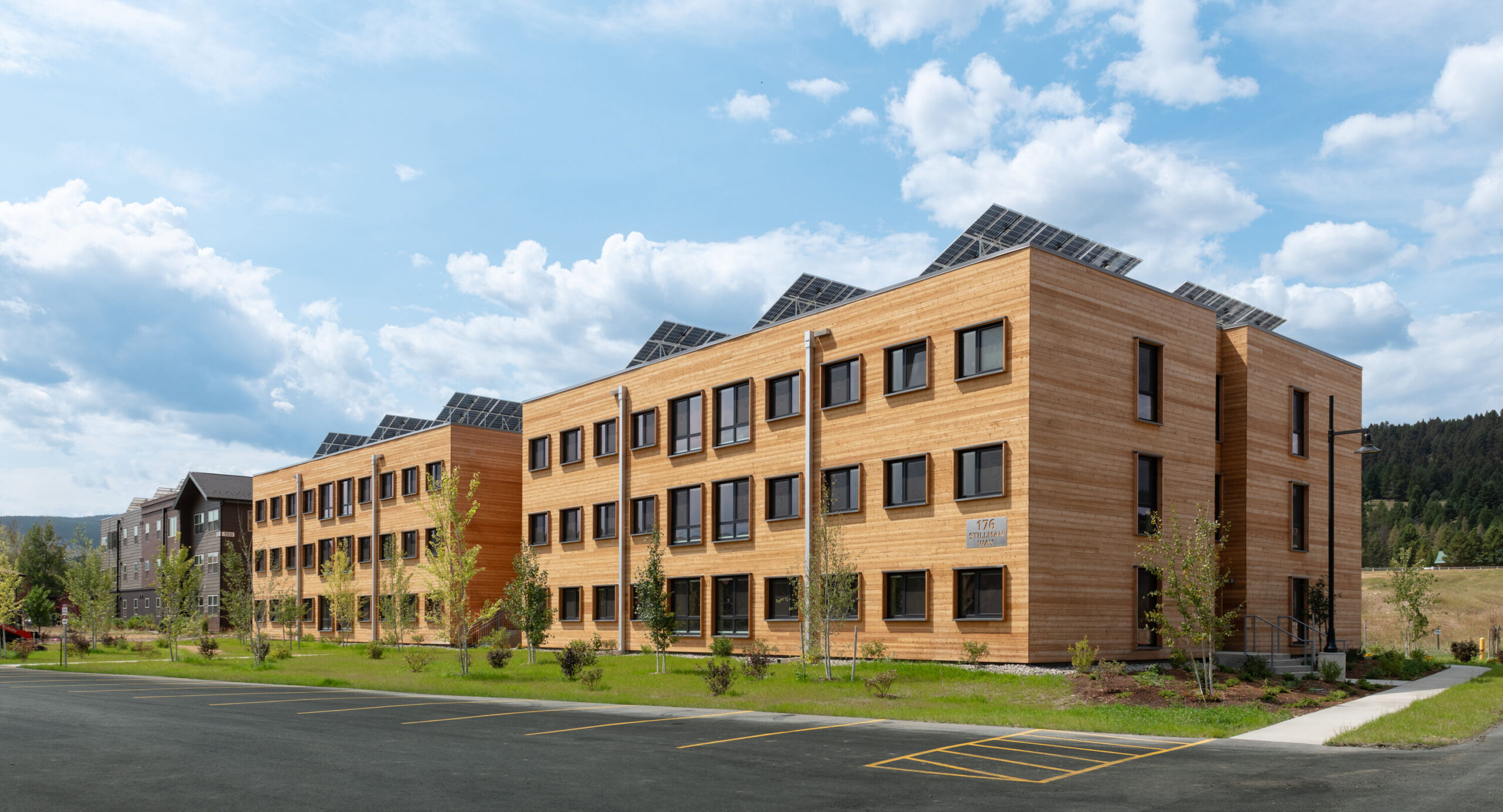
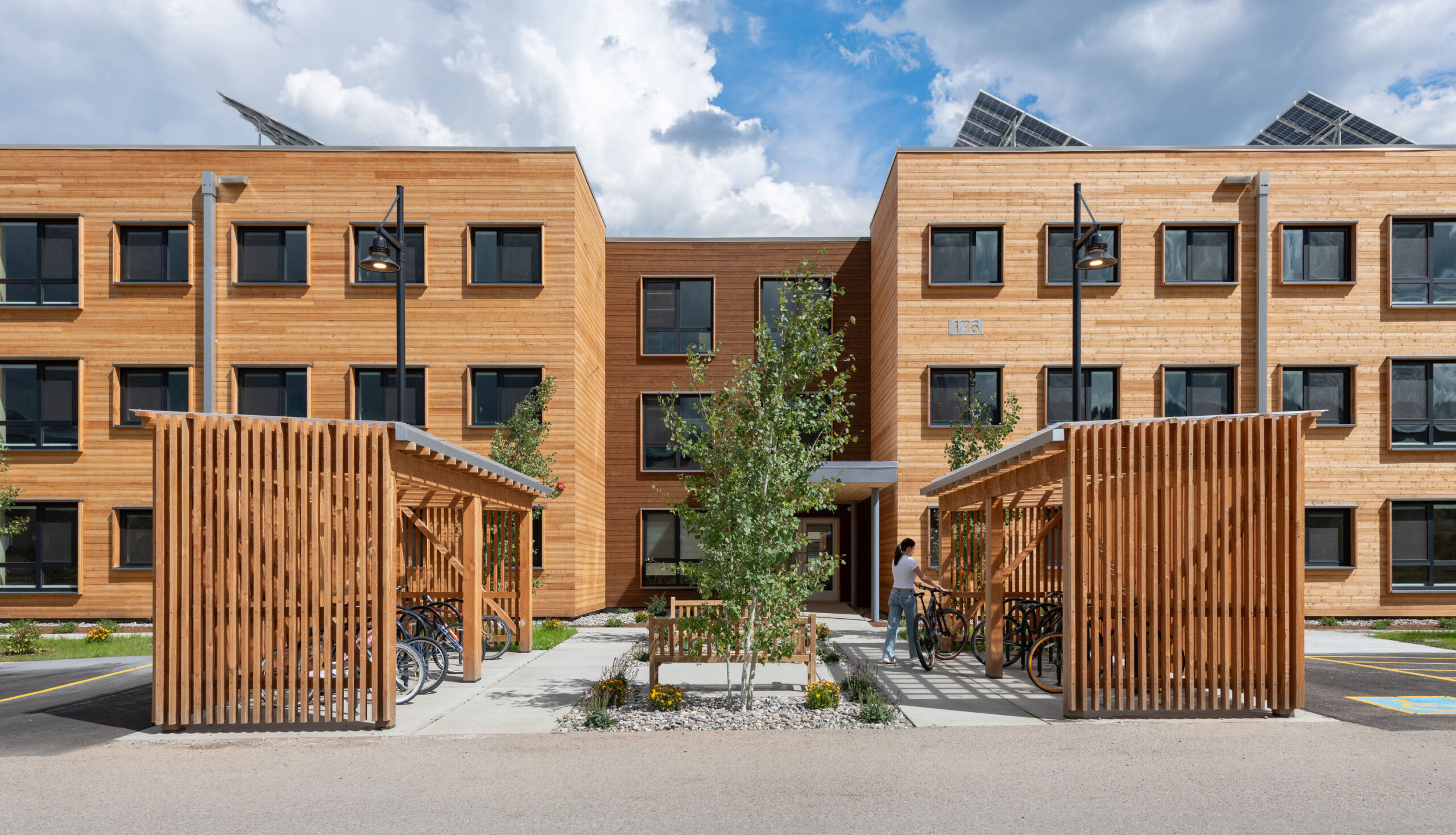
In rural and exurban markets, the cost driver in affordable housing isn't materials or labor — it's freight, cranes, and site access. Reboxd built the missing layer: a constrained catalog of flat-packed components, distributed through local warehouse hubs and assembled on-site by local crews — orchestrated by an AI logistics engine that sits at the intersection of site, sourcing, routing, and assembly, and gets smarter with every build.
In rural and exurban markets, the cost driver in affordable housing delivery isn't materials or labor — it's freight, cranes, and site access for finished modular units, and the total absence of a standardized, replicable build process that lets a local crew execute confidently.
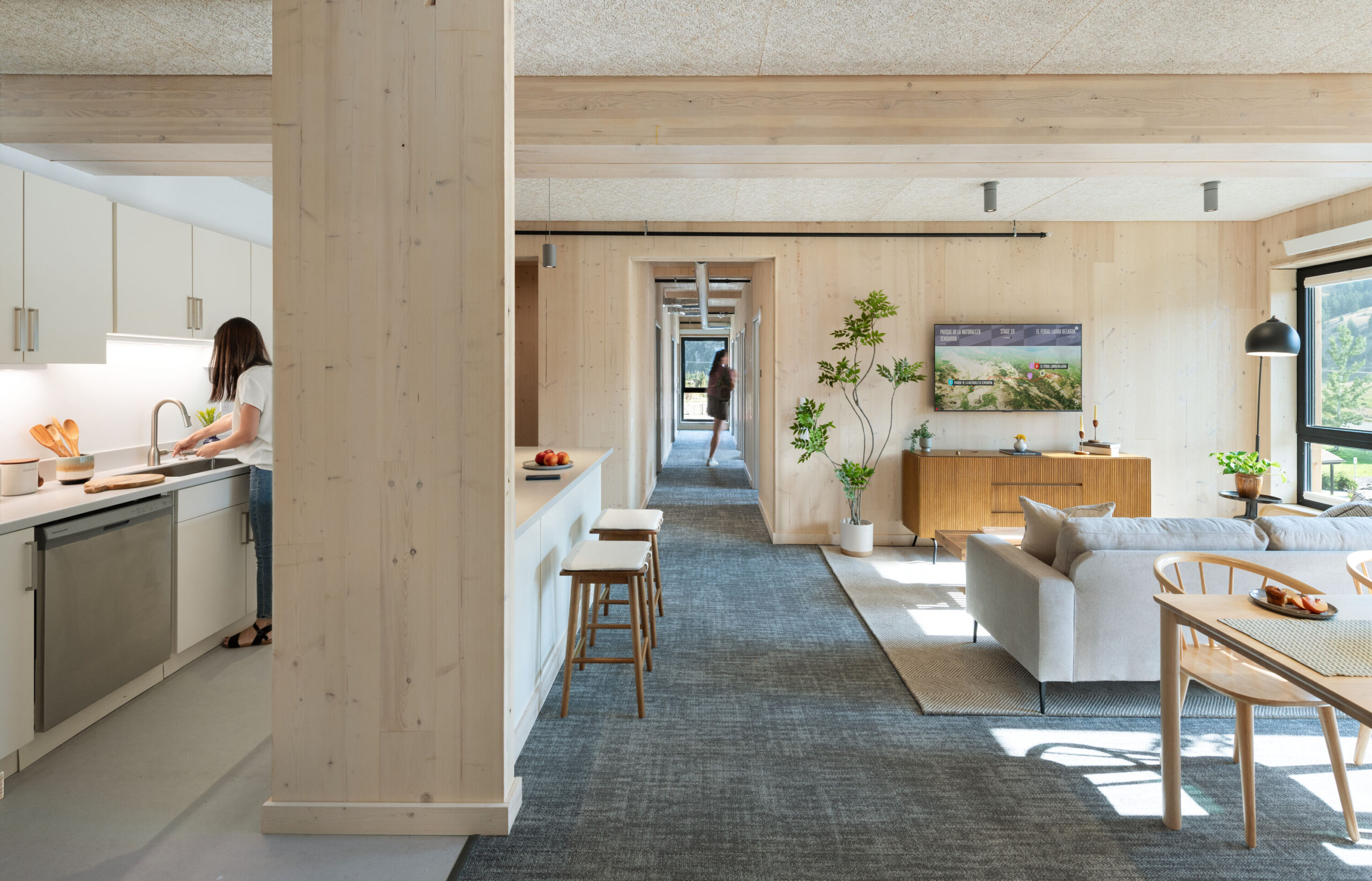
We built the missing layer: a constrained catalog of interoperable, flat-packed building components that assemble into a defined set of 6–10 home typologies, distributed through local warehouses and built on-site by local contractors — guided step-by-step by BIM-driven, color-coded assembly instructions on a tablet.
"We are an AI logistics platform, not a vertically integrated build company. Asset-light, capital-efficient, and fast to replicate in a new region."
We work with the material suppliers and production capacity that already exist regionally — making local builders dramatically more capable by removing design ambiguity and replacing it with a guided, repeatable sequence.
We don't own factories. We don't compete with local builders. And we don't believe infinite customization is the point. We built a platform that makes local delivery work — at the economics rural and affordable housing actually requires.
We don't own factories, and we're indifferent to construction method — panelized, volumetric, or otherwise. We work with the suppliers that already exist regionally.
We don't compete with local builders; we make them dramatically more capable by removing design ambiguity and replacing it with a guided, repeatable sequence.
Asset-light, capital-efficient, and fast to replicate in a new region — we don't need to build or acquire a factory to enter a new state.
Fewer, better-engineered typologies mean predictable sourcing, predictable pricing, and a build sequence simple enough for any competent local crew.
A single constrained kit of parts, distributed through local warehouse hubs and built by local crews — the same standard everywhere we deliver. Every build feeds structured data back into our models, so each new project quotes faster and more accurately than the last.
Six to ten well-engineered home typologies — not infinite customization. Fewer options mean predictable sourcing, predictable pricing, and repeatable results.
Interoperable building components sized for standard freight and flat-packed for delivery — no specialized transport, no crane requirements, no finished-module long hauls.
The full bill of materials is sourced through regional suppliers and routed, flat-packed, to the nearest local warehouse hub — not shipped as a finished module across the country.
Distribution through local hubs in the region we serve. Components arrive on-site in sequence, sized for standard freight, ready for the build.
Local contractors build using BIM-driven, color-coded assembly instructions on a tablet, with structured checkpoints for quality assurance at each stage.
Completed homes are inspected against the same standard regardless of region, with documentation and warranty support carried through our platform.
A six-stage delivery sequence built around repeatability, local labor, and predictable results.
We evaluate land, density targets, and local housing need to determine which typologies fit.
The landowner, developer, or agency selects from our catalog of 6–10 home configurations, matched to floorspace, density, and budget.
The full bill of materials is sourced through regional suppliers and routed, flat-packed, to the nearest local warehouse hub.
Components arrive on-site in sequence, sized for standard freight, without specialized transport or crane requirements.
A local contractor builds using our BIM-driven, color-coded instructions on a tablet, with structured checkpoints for quality assurance at each stage.
Completed homes are inspected against the same standard regardless of region, with documentation and warranty support carried through our platform.
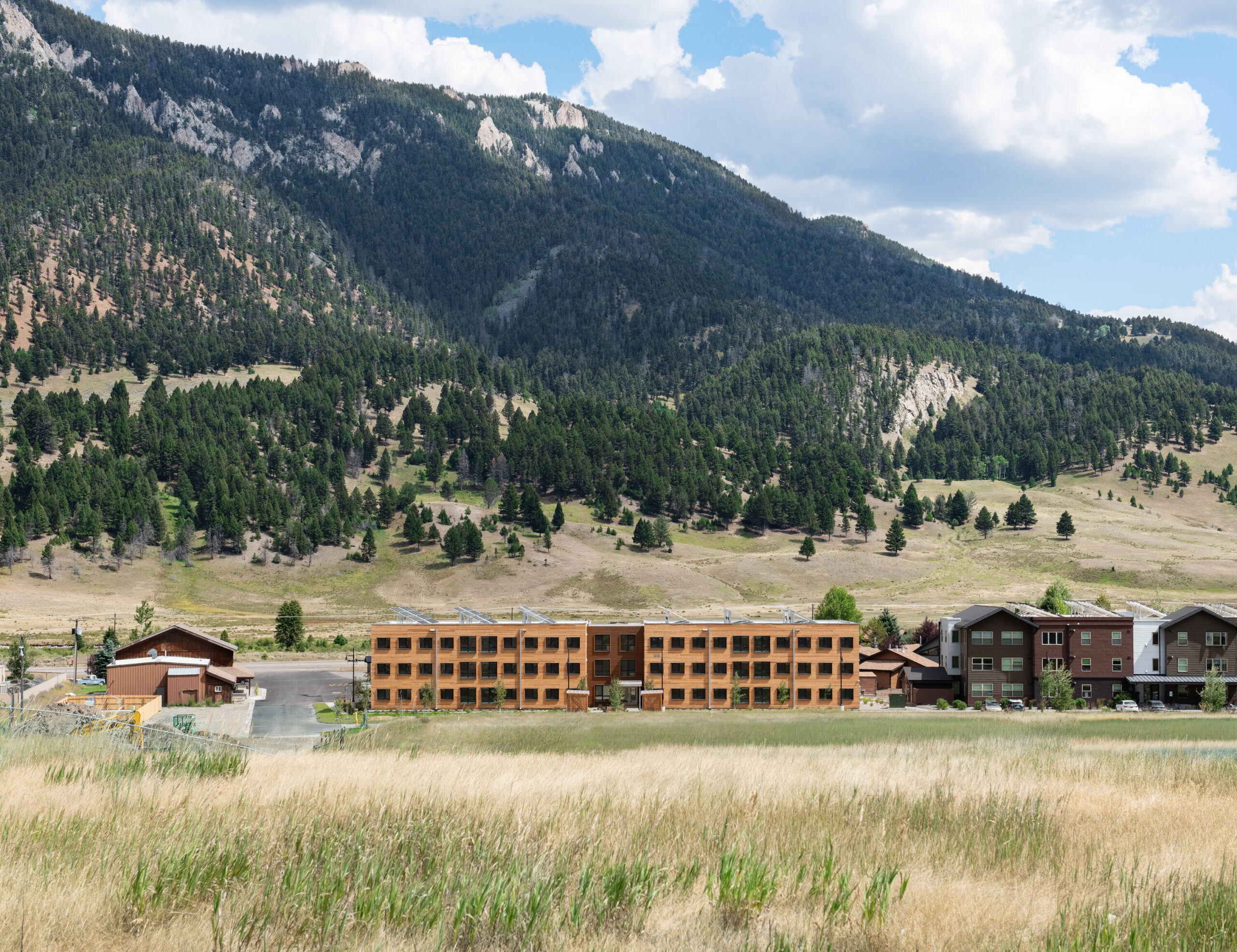
Reboxd targets rural and exurban U.S. markets where demand is clear and logistics — not construction method — is the binding constraint.
Markets where logistics — freight, cranes, and site access — is the binding constraint on workforce housing delivery.
→Communities that need standard homes at standard economics, without specialized transport or finished-module freight.
→Warehousing, fulfilment, and manufacturing hubs requiring concentrated local workforce populations.
→High-cost destinations where housing for hospitality, healthcare, and service workers is acutely constrained.
→School districts, regional medical centres, and public systems facing staff retention and housing challenges across multiple counties.
→Most affordable housing attempts fail because they're built around a factory, a finished-module freight route, or a bespoke design. None of those solve the actual constraint: getting the building to the site.
The real defensibility isn't the catalog — it's that we sit at the intersection of site, sourcing, routing, and assembly for every project we touch. That's a multi-variable, repeatable-but-never-identical problem — and the data compounds in our favor with every build.
A model ingests parcel data, zoning, road access, grading, and distance to the nearest warehouse hub — then returns a logistics feasibility score and recommended typology mix in minutes instead of a manual site visit cycle, and it can be run across thousands of parcels proactively.
A continuously re-solving optimization engine finds the cheapest, fastest, most reliable path from supplier to warehouse to site for a given typology — producing real-time landed-cost quotes that competitors can't replicate without rebuilding our entire network model. This is the sharpest edge, because it's the actual thesis of the company.
The same tablet that guides assembly checks photos and video against spec at each checkpoint, catching deviations before they cascade rather than at final inspection — so a less-experienced local crew can still deliver consistent quality.
Every build feeds structured data on site characteristics, routing decisions, assembly deviations, and actual vs. estimated cost and timeline back into the models above — so each new project quotes faster and more accurately than the last. Because that data is geographically unbound, it compounds across regions in a way a factory-based competitor's production-line data cannot.
The same site-scoring model run against public parcel, zoning, and GIS data actively surfaces underused land matching our criteria across rural and exurban markets — turning business development from an inbound queue into an origination engine.
AI doesn't replace what makes the model work — asset-light, catalog-constrained, logistics-first. It's what makes that model get smarter and cheaper per unit with every project. That's the technical moat behind the operating thesis.
Every rural and exurban market with a housing need is a market where freight, cranes, and site access decide whether homes get built. We build the delivery layer that makes them possible — repeatably, regionally, at scale — and smarter, cheaper, and faster with every project.
Start a ConversationReboxd structures partnerships around the stakeholders who have the most at stake in affordable housing delivery — and the most to gain from a logistics-led platform.
A replicable delivery model that works across multiple towns and counties without re-engineering each time — supports local contractor employment, keeps spend regional, and fits standard affordable and workforce housing funding structures — including LIHTC-adjacent programs and state housing finance agency pipelines.
A path to activate underused or hard-to-develop land without taking on construction risk, specialised contractors, or an unfamiliar prefab vendor relationship.
Predictable per-unit cost and timeline across sites, without being locked into one factory's proprietary system or exposed to long-haul module transport risk. Local labor, standard freight, repeatable results.
Hospitals, logistics operators, schools, and large employers who need to solve housing as a workforce retention and recruitment challenge in markets where logistics is the binding constraint.
Reboxd was founded on a single conviction: the part of affordable housing delivery nobody prices for is getting the building to the site. In rural and exurban markets, freight, cranes, and site access decide whether homes get built.
We built the missing layer — a constrained catalog of interoperable, flat-packed building components that assemble into 6–10 home typologies, distributed through local warehouse hubs and built on-site by local contractors guided by BIM-driven instructions.
We are not a manufacturer and not a general contractor. We are an AI logistics platform — asset-light, capital-efficient, and fast to replicate in a new region.
Behind the logistics sits the intelligence: five AI systems spanning site feasibility, sourcing and routing, quality assurance, and origination. Every build feeds structured data back into the models — so each new project quotes faster, more accurately, and cheaper per unit than the last, in every region we touch.
We are actively seeking affordable housing projects — with a particular focus on workforce housing — in rural and exurban U.S. markets where logistics, not construction method, is the binding constraint. If you have land, a pipeline, or a housing challenge, we want to hear from you.
We'll be in touch shortly.